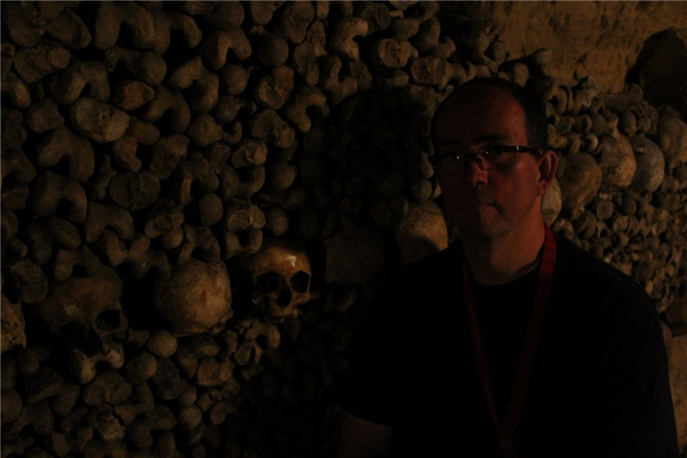
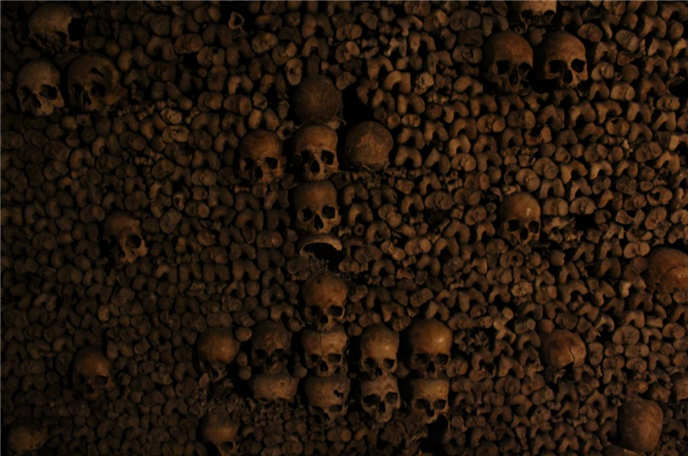
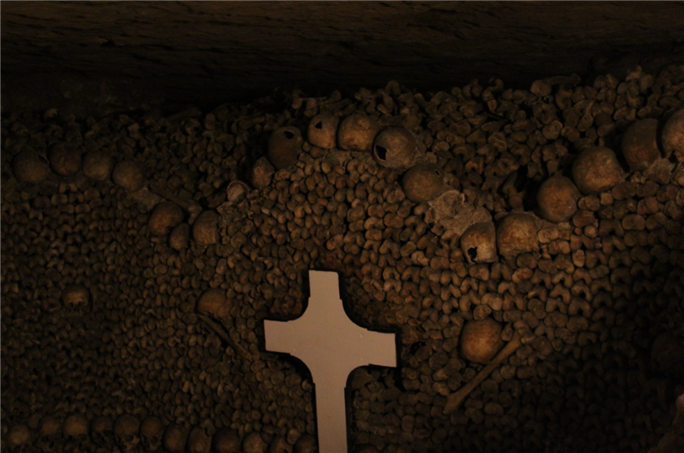
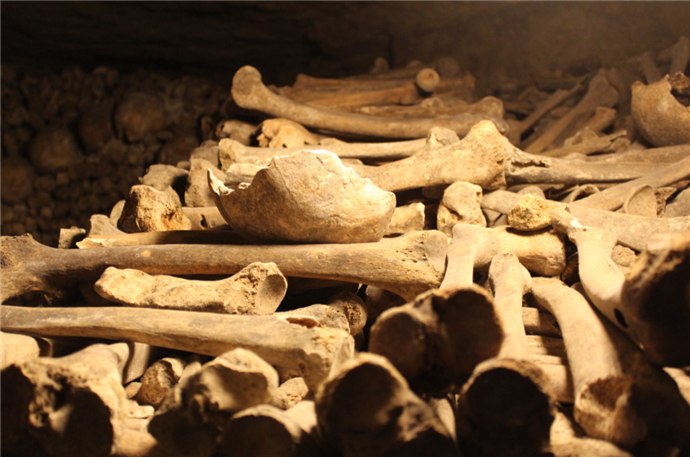
Today the plan had been to start the three day city pass, skip the line, and hop-on-hop-off buses. There’s a lot to see here, and we don’t want to waste time (a) walking, and (b) in line (already did that for the Catacombs in Paris).
But when I looked it up I realized that the hop-on bus isn’t that great…. it apparently only goes on the outskirts of town, and compared to seeing them all over London, we haven’t seen them that much here. So it’s not like it’s super easy to get on and off anywhere… to few, bad routes, and too crowded. Furthermore, we weren’t sure we’d make use of the pass and actually see everything on it without rushing too much… So we opted for Plan B: Let’s go see “one thing” but spend a lot of time there.
Of course, one of the epic things to see is the Colosseum. I got skip the line tickets (wasn’t necessary today as the normal line wasn’t big) and we got there by 1ish. Yes, another lazy morning (lazy = sleeping in, blogging, etc.). All the walking and looking we are doing really is exhausting, and getting up at a reasonable hour seems impossible.
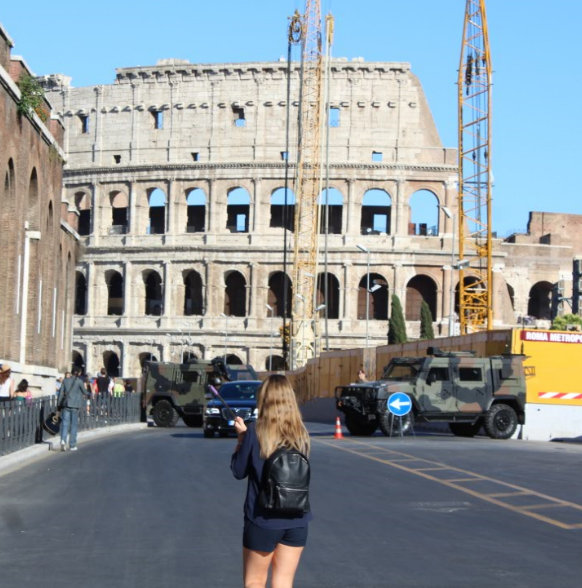
What’s been awesome here is the metro… it’s a short jaunt from our B&B, and the Colosseum stop is directly across the street from the Colosseum, so not city walking. The outside of this fantastic building is still pretty awesome, even though we’ve seen it like a dozen times.
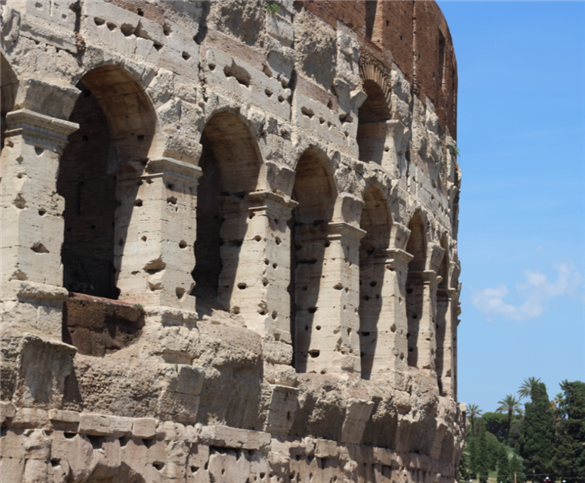
We went to the ticket booth and after getting a lecture about William, who is a “child” (and pays a lot less for tickets) not having any documentation of his age, we finally get our tickets and get in line. The couple in front of us just got off a cruise from Atlanta and is spending one night here… so they are trying to see all they can in less than two days. That’s a mad dash, for sure.
We got audio guides (five euros each, which is totally worth it) and went to the second level of this history-rich facility. The first thing we do is split up. We didn’t mean to, but it happened… and we were split up for a LONG time. Again, we didn’t have a meeting place, and no way to contact one another, but hey, how hard is it to get really lost in the Colosseum? (really easily, actually)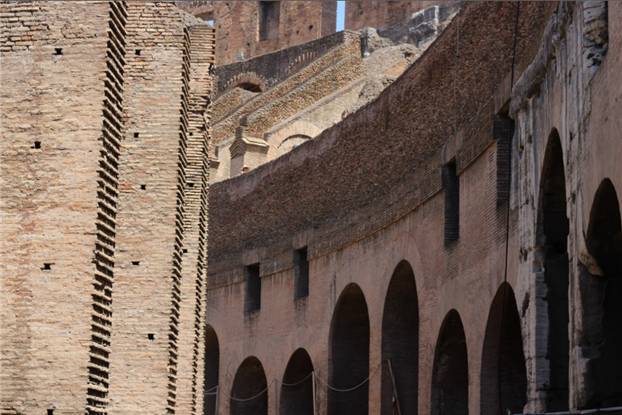
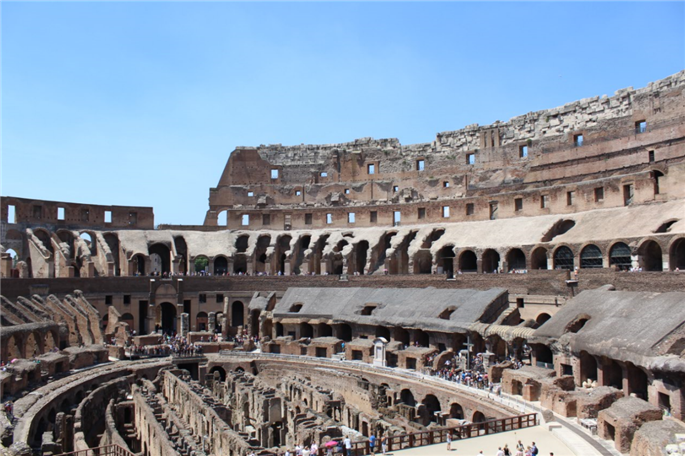
Everyone had their own walking around time (I think William and Ellie were together the whole time)… I went around the entire second level looking into the center of the Colosseum. It’s amazing to think about all of the death and destruction and heartache there.
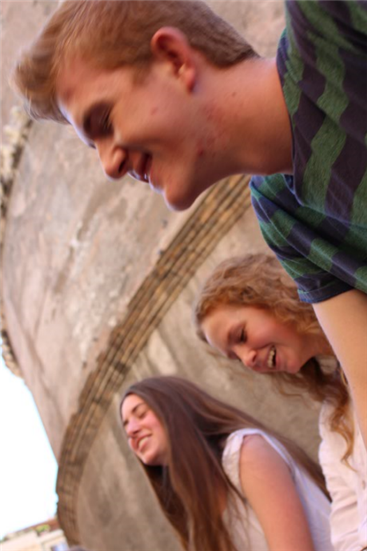
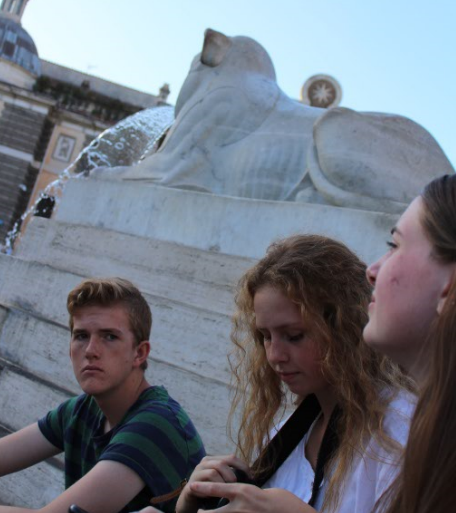
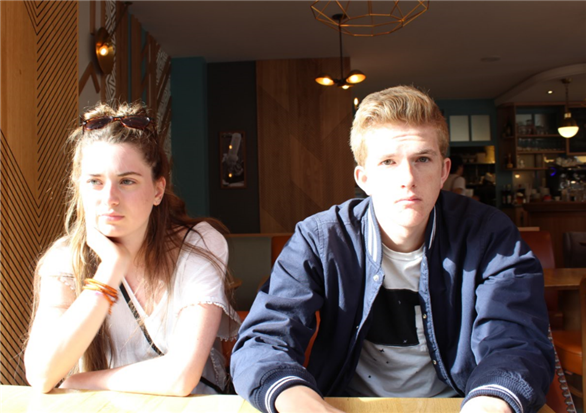
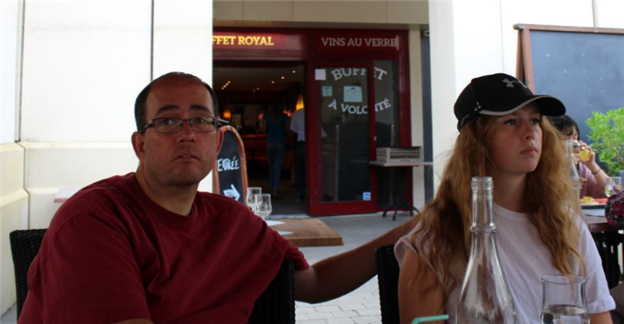
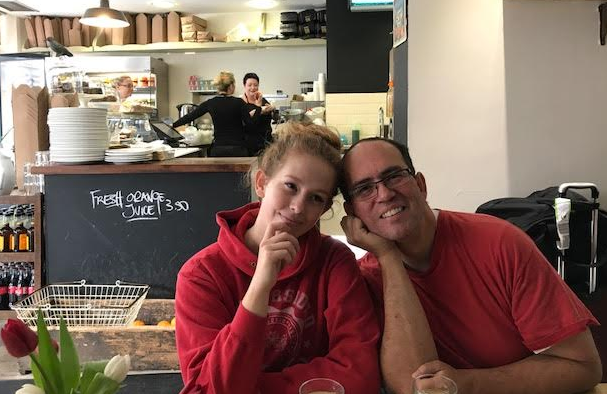
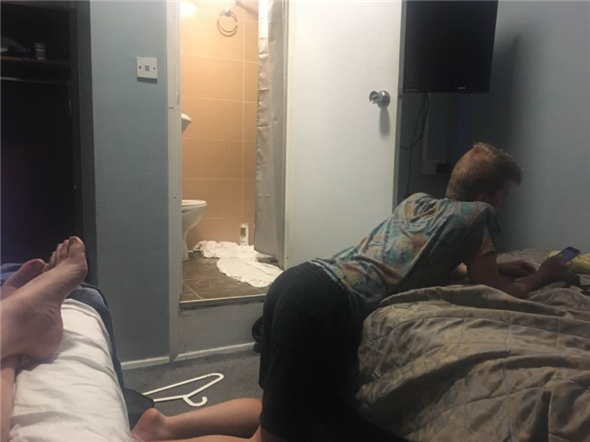
I guess not everyone is happy to be here :/
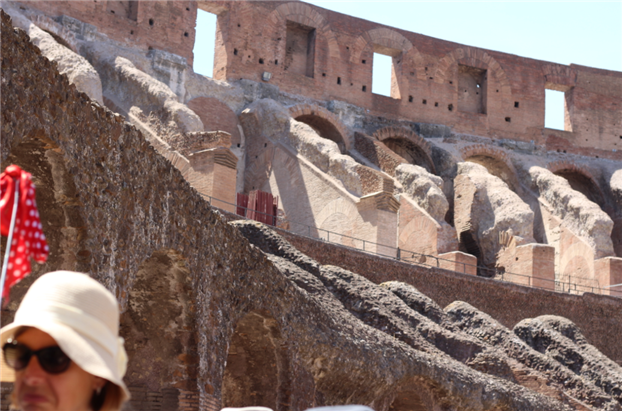
Two things from the audio guide:
1. One time, there was a battle or whatever they called it (event?)… there were 10,000 men fighting, and 11,000 animals. Can you fathom that? 21,000 bodies, fighting against one another? The amount of blood, and gore, and stench, and pain, and screams, and horrid? What an amazing way of life (or death). The Colosseum was open to anyone, and the poor people sat at the top while the rich were nearer the action… it’s really quite disgusting.
2. Someone saw or heard about a beached whale and thought “man, we should make a fake beached whale to put in the Colosseum!” So they did. A huge fake whale, and when the mouth opened, fifty bears came running out to fight to the death. These guys were not short on creativity!
I went inside the covered area of the second floor where there are a lot of exhibits – paintings, relics they have dug up, original pillars, etc. I found it interesting that even hundreds of years ago, I think in the seventeen hundreds, the Colosseum was already ruins, and they regarded them as ancient ruins. It’s crazy how old this place (and all of Rome) is.
I overheard a tour guide saying that in some language “arena” is sand (it is for sure in Spanish), and that is where we get “arena”… the battleground, or competitive field, from. “Let’s go to the arena” was probably “let’s go watch sweaty bleeding guys kill eachother on the sand.” Interesting.
I went down the elevator to the first floor… going down stairs is not fun for my ankle (up is fine), and the stairs here are (a) too high, and (b) all uneven. I was hoping to find any of The Trio, but they were nowhere to be found. Darn… how were we going to get together?? I walked around in the lower level… the most striking thing to me was that there was no “floor” in the middle of the Colosseum… at least, the floor that used to be there, where battles happened. Instead, they had removed it so you could see the tunnels that men and beast would navigate to find the right trap door to go up for the battle. the amount of planning and design in this facility really was amazing. 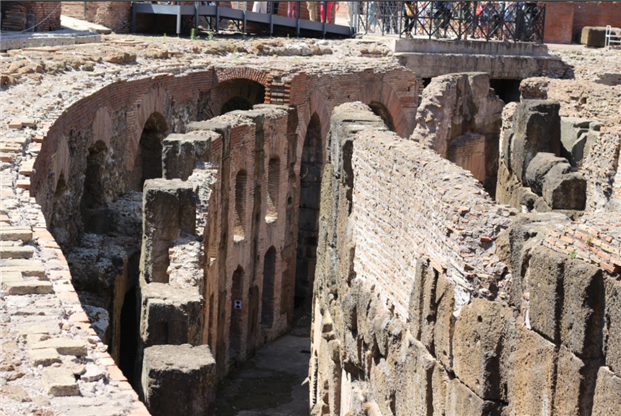
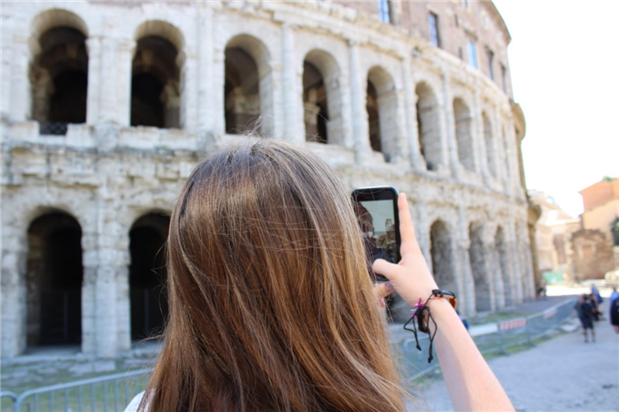
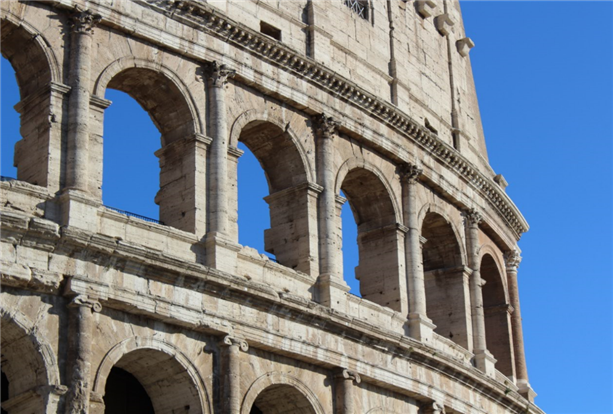
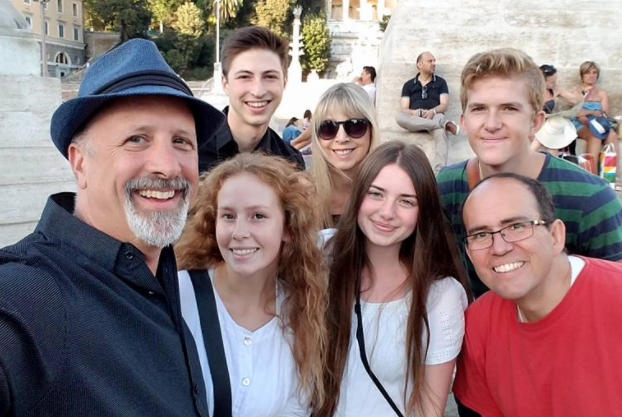
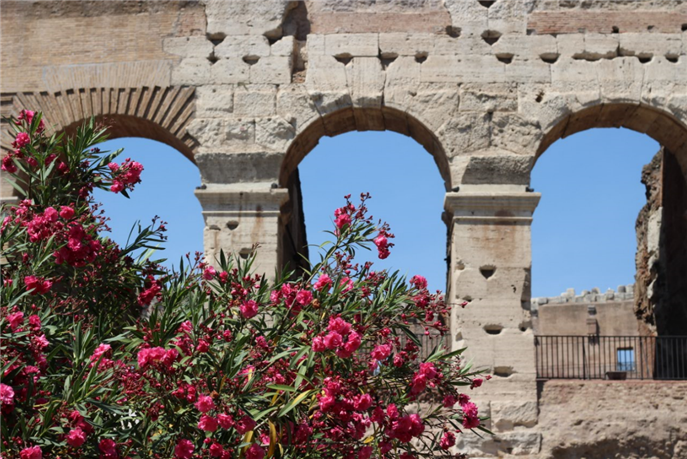
Finally, I found Sam (or she found me) and William and Ellie weren’t far behind. We had been there for two or three hours by now, heard all the audio, seen all that we could, and it was time for our first meal of the day. But first, just one more picture… with a splash of color, this time!
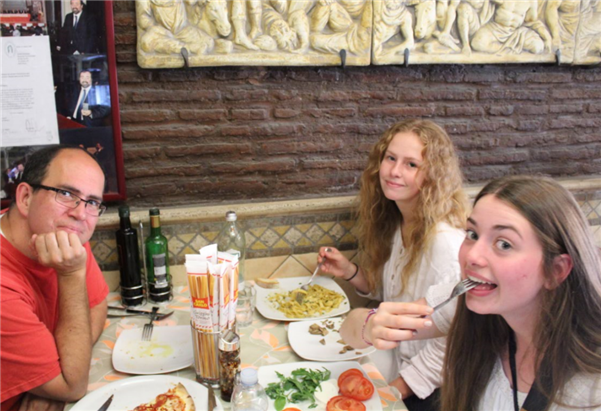
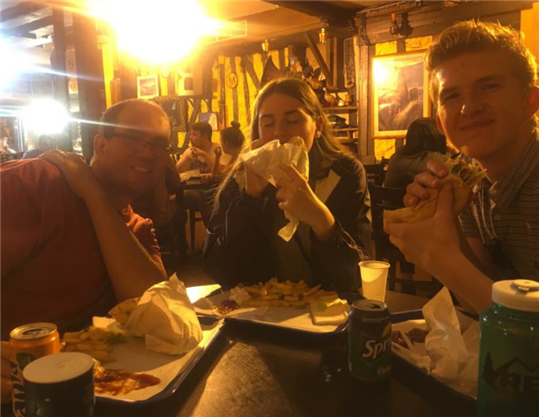
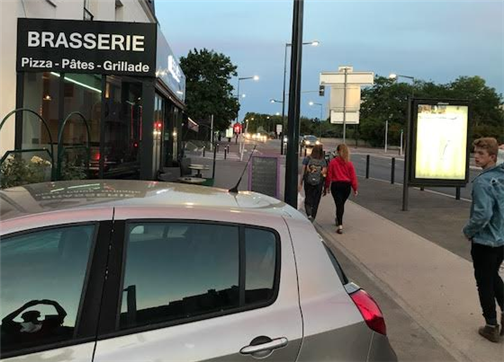
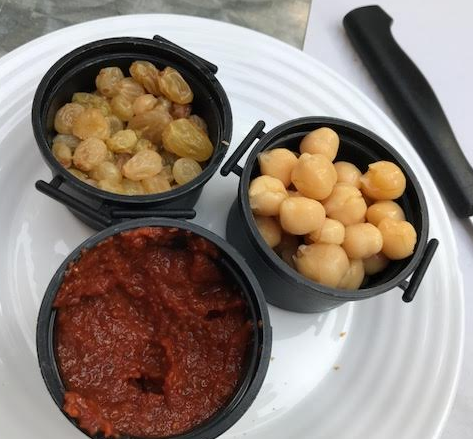
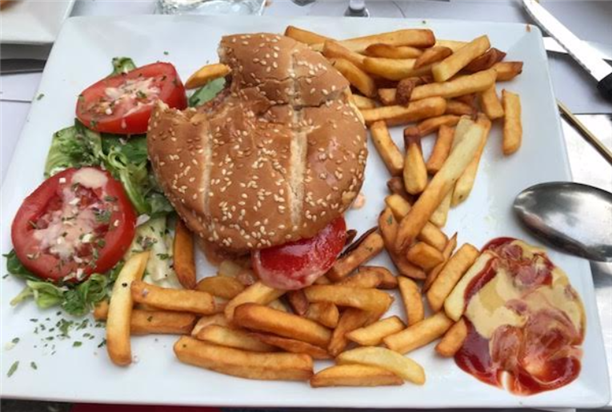
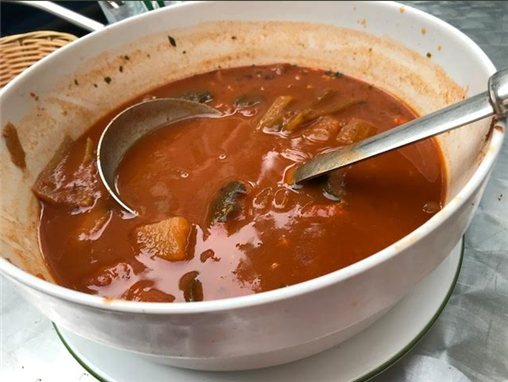
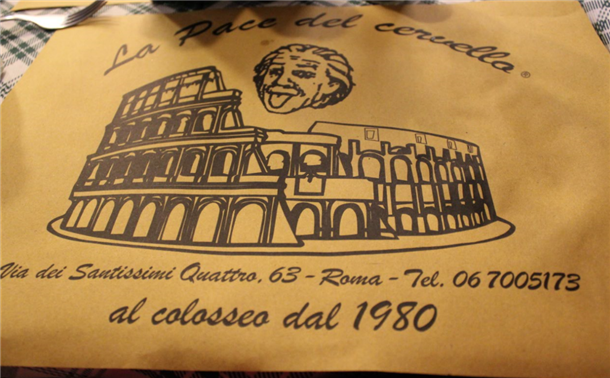
About a half block from the Colosseum was a restaurant that looked good, so we go in for a pretty great meal. Appallingly, the bill was $90. Ugh. If you are ever in Rome, realize there are hidden fees at restaurants. First, they say in Europe you don’t have to worry about tipping… well, you don’t because they put it in the bill. They don’t call it a tip… one place called it a cover charge, and it was way more than 20%. I don’t know what this place called it, but it was very high. They also charge for water… they bring out these bottles the size of a wine bottle with four very small cups… in my party that goes in about four seconds. We went through four or five of those… and they don’t sell those for cheap. It’s one reason why we are only eating a real meal on average once a day. This is just in Rome… in other places we haven’t found meals to be this ridiculously expensive, or to have the hidden fees that surprise the heck out of you when you get your bill. The restaurant name translates to “A Piece of Brain,”
I asked the waiter what his name was… “Giovanni,” he replied, “or, Johnny.” No, no, no… I didn’t come to Italy to talk to a Johnny! I want Giovanni! After lunch I asked him where we should go next and he said there was a really, really cool thing to see about twenty minutes away…. you walk up here, then around there, and turn this way and that, and you’ll be on a hill where you are in the ruins of a church. Look through a certain keyhole and you’ll see, across Rome, St. Peter’s Basilica. Huh… a true Roman treasure, in a keyhole. Sounds cool.
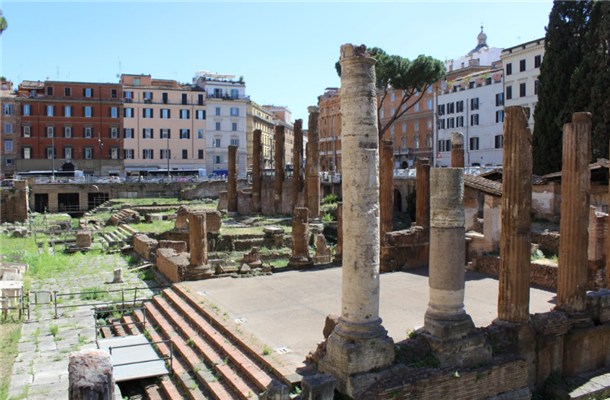
We started out to do that, however, we realized what time it was and that we had a dinner appointment with my publisher again… so instead of making that trek (and then another 20+ minutes back to the metro, which would put is there about an hour late), we decided to see the Roman Forum… this is across the street from the Colosseum, and our ticket for that included the Forum. Here’s a picture from Wikipedia: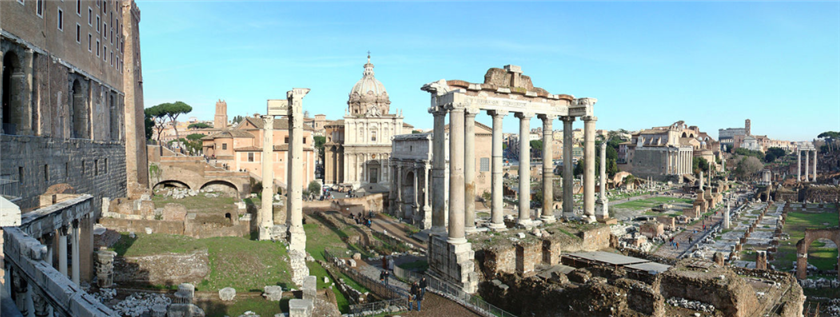
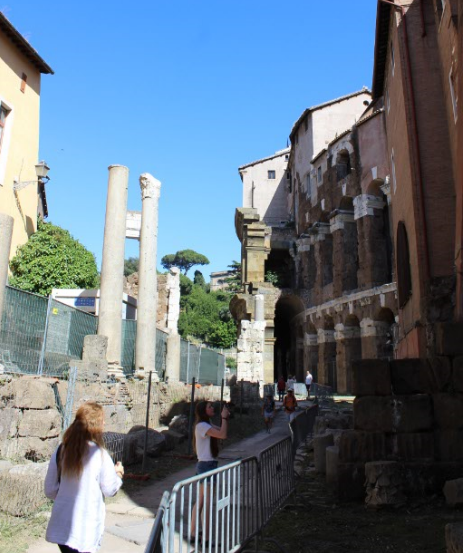
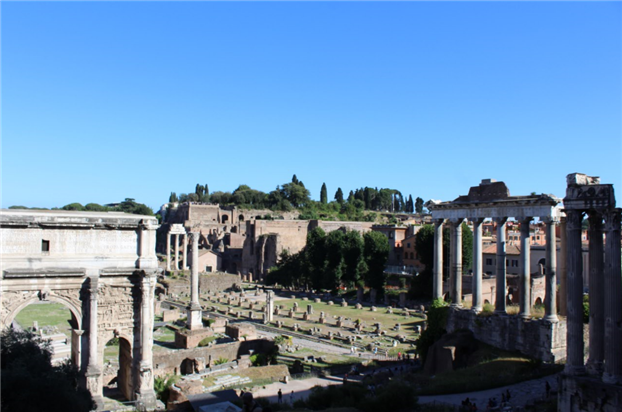
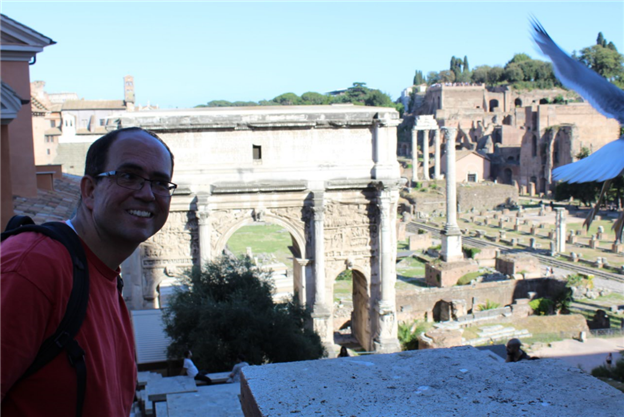
This is the place next to the movie set we saw yesterday… I didn’t know we’d be here today, wandering around! The cool thing about the Forum is that you can walk all around this place… to almost every corner of it. The history of this place is simply unfathomable. Also, it’s a good 10ish meters below the main Roman streets… why was this place so low, and how and when did the earth get higher? Too many questions.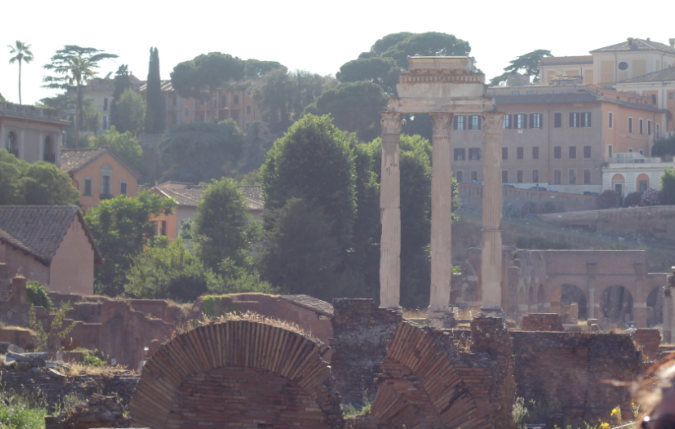
Here’s a repurposed pillar… now a bench for wary travelers:
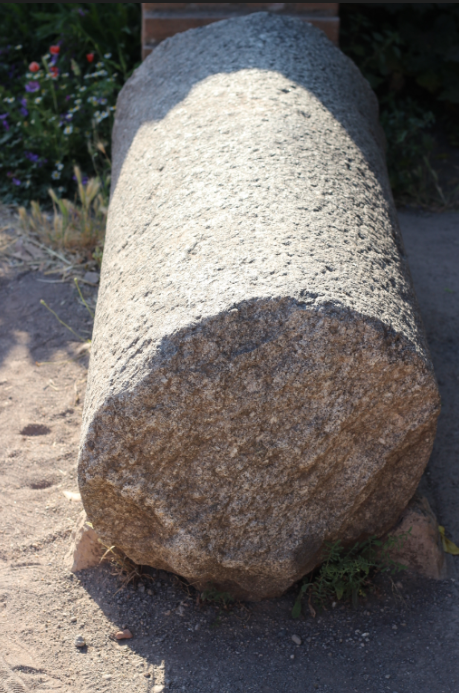
Sam asked “Can you imagine finding this… like digging around, and discovering part of this?”
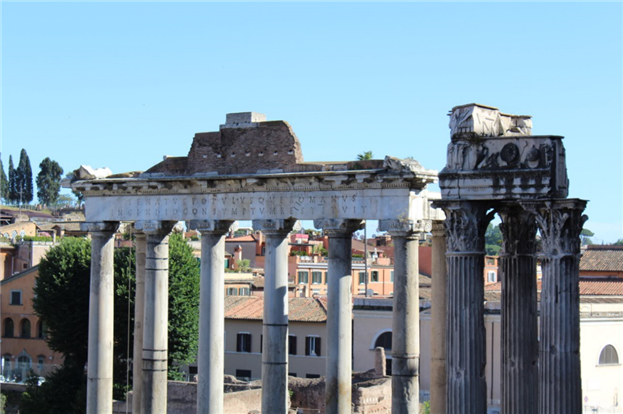
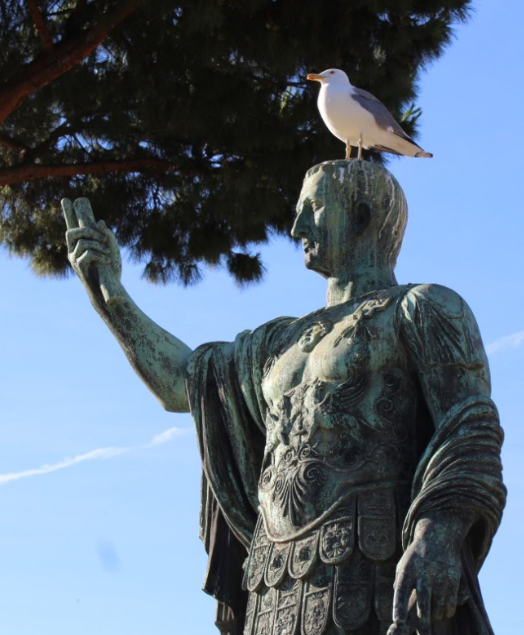
Lots of headless statues and picture opps here… notice some of the ruins are surrounded by even older ruins: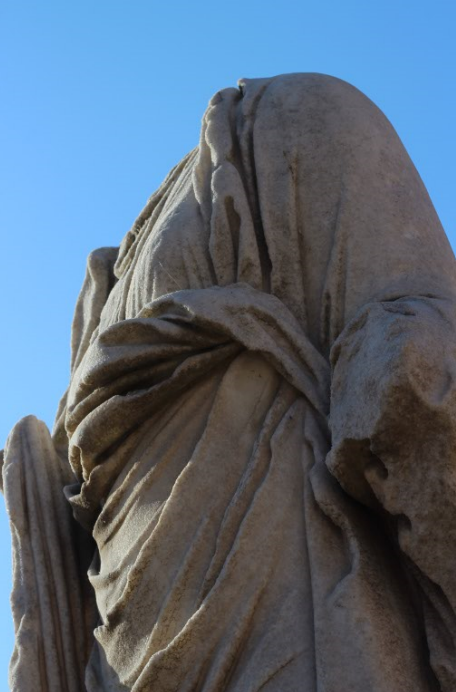
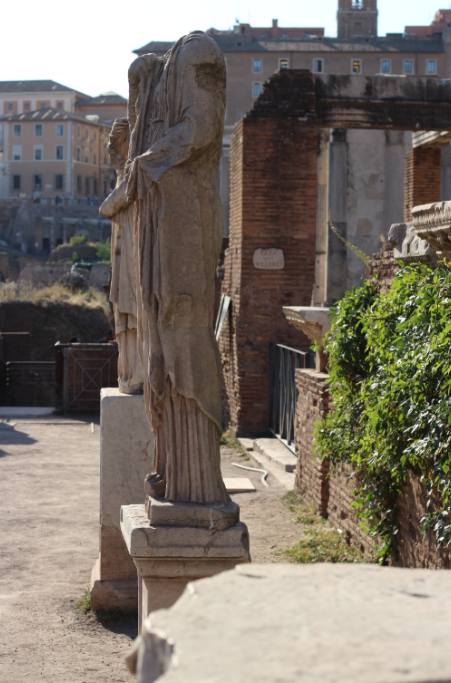
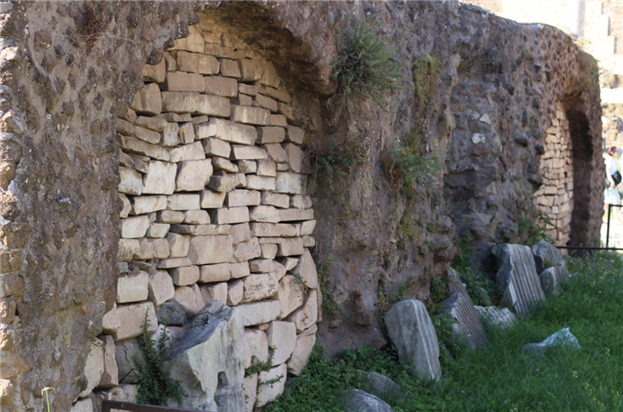
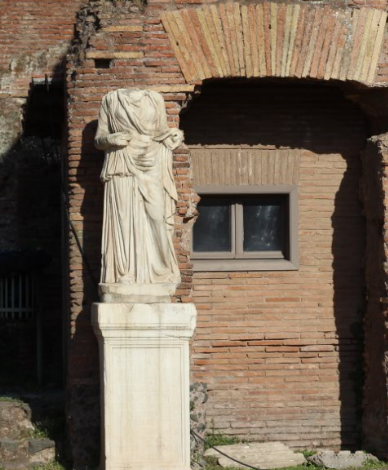
I really wanted to see what was behind these doors… probably some old stuff….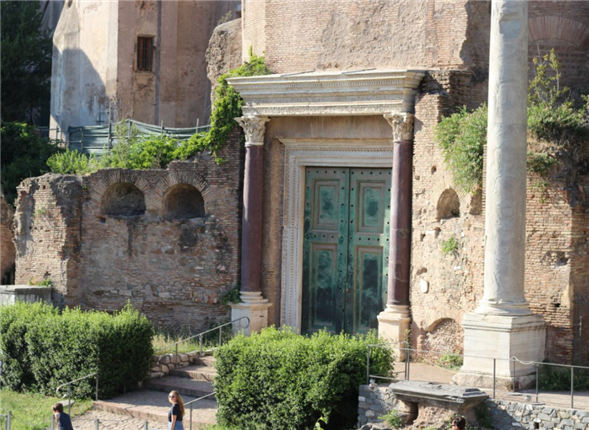
The Forum is actually quite large… you can easily spend a few hours walking around. It was basically like the village where people lived and did business… and there is a super old road where traders traveled to different areas.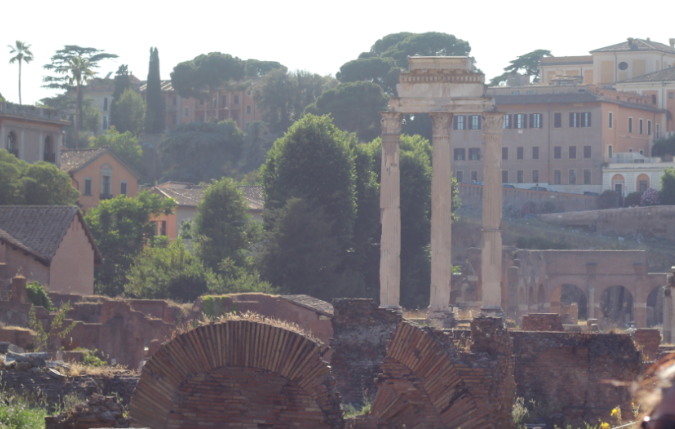
Here’s a bit of tourist or roman culture… the fashionable ones of the group (everyone but me) have noticed that having “popped collars” is pretty popular here… like this: 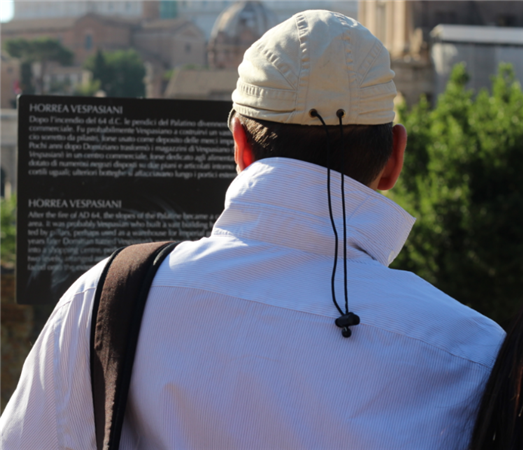
After exhausting the Forum we set out to the metro to get to our dinner (“come over for cheese?”). It was dinner time and the line at the ticket kiosk for the metro tickets was long and slow (normally there is no line). We pieced together money (they don’t take credit card or anything over 10 euros), got our tickets, and were off! We’re getting the hang of the metro system and really like it… it’s a lot cheaper than anything else, and very efficient.
We walk a few blocks to Mitchell’s “flat,” which is a three bedroom, spacious apartment on the fifth floor of a building, and relax and get hydrated. As with the night before, the conversation was fun… Alex had prepared a great spread of cheese, fruits (pears, cherries, apples) and vegetables (some eggplant with cheese thing, really good), beets, I don’t remember what else, chocolates, and sliced meats. Very European….! It was a great meal to end the day.
After nine we left for their favorite gelato place (you can’t really go wrong with any gelato place around here). I ordered chocolate for one scoop and pistaccio for another scoop, but I said it in Italian. What I learned is that my Italian stinks… because I didn’t get either chocolate or pistaccio…. I got some white thing with another white thing… ugh. Oh well, I either get better, or I switch to English tourist language :p
Here’s the underground view that has become so familiar to us: 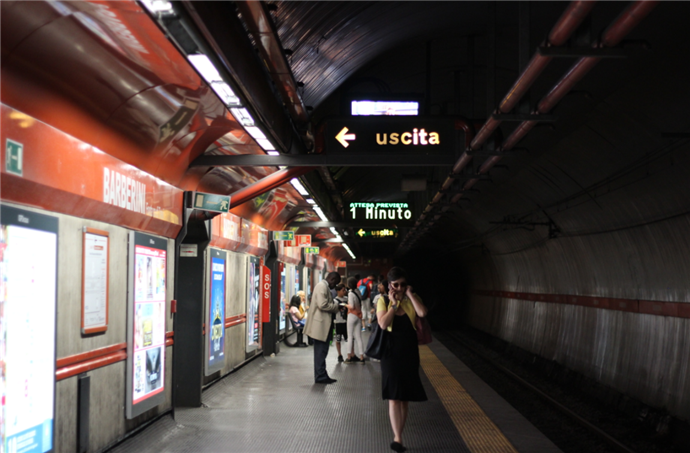
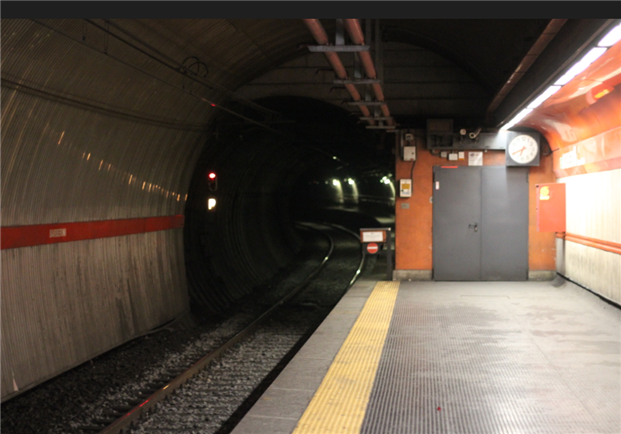
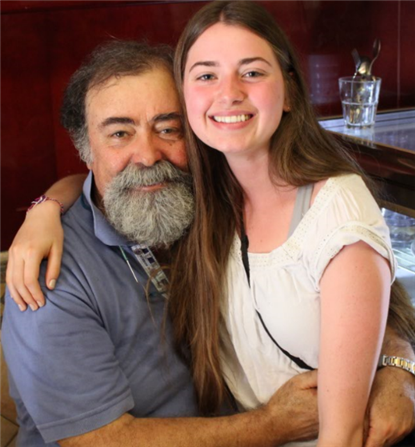
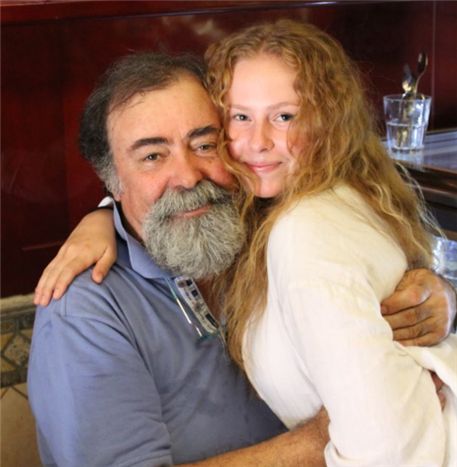
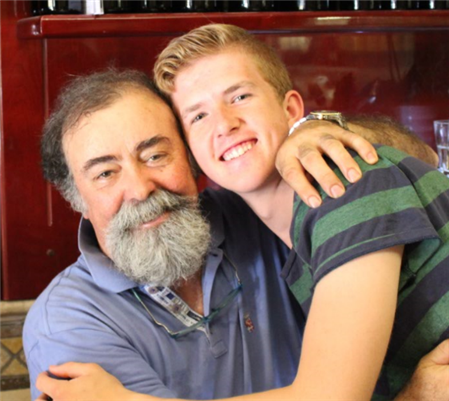
Around eleven Mitchell, Alex, and Duncan walked us to our metro stop where we hugged and said our goodbyes, and then we were off. The metro was pretty empty so we got to sit down. I sat by a college-aged kid who, I was sure, would speak some English. I leaned over, “do you speak English?” “Yes.” “What does ‘bushy tomato mean??”
You see, on the metro, the announcer says “blah blah blah bushy tomato [stop name].” We think she’s saying “the next top is [stop name].” But sometimes it sounds like “bushy tomato” and other times it sounds like “bushy gelato.” I was sure this young chap could help me!
Instead, he was like “I don’t know what you are saying. Bushy tomato??” We did this about three times, and then he got up and left. Was his stop coming up? NO! He went down about 20 seats, where a dumb tourist wasn’t going to bother him, and sat there in peace!
And that was the night I compelled an Italian student to let me have my whole row of seats, all to myself. This is me after my new almost-friend left :/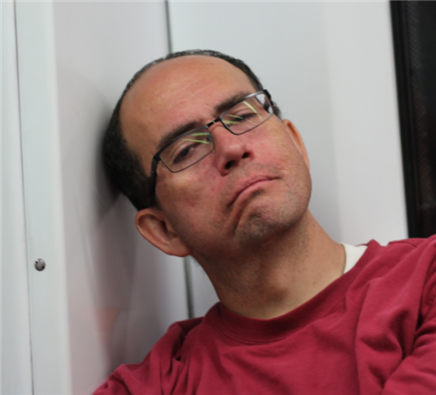
I need to learn this language if I’m going to spend much time here!
We got off the metro, and popped out in a different place than the other two places we came out before. We are kind of disoriented at our own metro stop… but we quickly figured out which way to go and made it to our B&B. I called the family because Kaisie said Kim was missing me terribly… and got to talk to each kid and Kaisie. I had to talk quietly, though, because two nights earlier when I was talking the neigbors banged on the wall to tell us to quiet down. So much for being loud and expressive in Italy :p
And that was it… a long, busy day, seeing a lot, taking a lot in, enjoying friends, and getting to bed exhausted. We’ve officially been out for three weeks now, and we’ve been running hard this entire trip. It’s amazing to think about where we’ve been, and try to remember what happened where. Just a few more days in Rome, then almost a week in Barcelona, and then we’ll go back to Utah to try and figure out what “normal” is. We miss our families back home, and are grateful for the cool technology we have to do voice and video calls.
Tomorrow is a loose-ends kind of day… we have three things we want to do. We’ll see how it goes!